
As the winter winds begin to howl and the snow begins to fall, many homeowners are putting the final touches on winterizing their homes. From heaters for outdoor water pipes, to purchasing a generator, there are many ways that a home can be properly outfitted for the harsh winter months.
Did you know that one of the areas that are most often overlooked for winter maintenance is the garage doors? Proper garage door maintenance helps to prolong the longevity of your garage doors, as well as helping to keep your home safe and dry when the winter winds start to blow.
A few DIY garage door winter maintenance tips:
- Clean the exterior of the garage doors with a mixture of household cleaning products. Removing debris and build-up from the exterior of the doors will help to eliminate damage from rust and clogged hinges.
- Clean the weather stripping at the bottom of the garage door. As you clean the weather stripping, be sure to check for cracks, tears, missing pieces, and places where the stripping may not be securely attached. A garage door’s weather stripping helps to keep your garage dry and the winter elements out.
- Check and clean garage door windows. Damaged windows should be replaced. The sealing around all windows should be checked for cracks, and should be replaced before rain and snow can cause damage to the window frame or the interior of your garage.
- Evaluate the moving parts of the garage door. Use a cloth to remove grease build-up on the track(s) and rollers. Grease build-up can cause unnecessary wear and tear on the opening and closing mechanisms of the garage door. For your safety, never attempt to adjust the cables or torsion springs on your own. The latter parts are responsible for the opening and closing of the garage door, as such improperly adjusting the tension or position can cause the garage door to malfunction, which can potentially cause bodily harm. Finally, make sure that the garage door sensors are properly lined up, and that stored objects remain clear of the sensors.
- Be sure to check remote control batteries. When it comes to garage doors there is nothing quite as frustrating as owning a remote control garage door opener, only to have the batteries die when you need them most.
By following these five simple tips you can ensure that your garage is properly winterized and that its contents remain protected for the harsh weather months to come.
Winter is just around the corner so it is time for you to think about preparing your garage for the cold season. If you don’t like getting into an icy car in the winter, a winter proof, heated garage is a great idea. Winter-proofing your garage also makes your work in your garage more tolerable during the cold winter months. Here are some tips that you can use to winter-proof your garage.
Seal cracks and holes
Assess the areas inside your garage that let in cold air or allow warm air out. These areas include cracks on your wall or gaps near your windows. You should also inspect the seals on your garage doors.Any leaks or holes around windows and walls should be sealed off. Caulk can be used to seal the small gaps and cracks around your windows. Cracked or broken windows should be replaced.
Use an old blanket to insulate your garage
The base of your garage’s doors and windows can be insulated using towels or old blankets to block any drafts. This temporary solution can be used to prevent cold wind from entering the drafty areas of your garage.
Replace old doors
Old non-insulated garage doors can be replaced with new insulated doors. There are many affordable insulated options available today.
Install a heater
A heater that is designed specifically for garages can be installed. If you use a regular space heater, it can cause a fire, especially if it is used near chemicals.
Paint your concrete floor
Since a cement slab floor can conduct chilled ground moisture into your garage, you can apply concrete paint on your floor to limit the infiltration of dampness. This will help keep the cold out and seal in the warm temperatures in your garage.
If your home garage is in need of professional repair service, contact one of the pro’s of Garage Door Repair LLC.
Have you thought about how energy inefficient your garage is? Most worry about keeping their home warm and comfy during the cold season, however, they fail to realize that their garage sucks out a lot of energy from their home. Here are ten things you can do to make your garage energy-efficient and save money on energy costs throughout the cold season.
- Insulate Garage Walls: Rolling the right R-value insulation between your joists or blowing it through a small hole in your drywall filling your garage’s sides and ceiling can help keep the warm air in and the cool air out.
- Caulk between Your Garage Walls and Floor: A foam sealant or latex/silicone based caulk works wonders to prevent heat from flowing out between your walls and floor.
- Seal the Door Connecting Your Home to Your Garage: Check for leaks around the entrance door. Install weather-stripping around the door frame. If your threshold isn’t properly sealing the bottom of your door, apply a draft stopper. Caulk any leaks and the trim along the outside and inside of the door.
- Insulate Your Garage Door: You can either buy an insulation kit or a new insulated door. The kit will be more affordable, however, may not provide as much insulation as a new door.
- Insulate Outlets and Light Switches: Use outlet/switch foam gaskets to seal these small escape hatches for energy and carbon monoxide.
- Switch out Your Lights: Start using either CFL or LED lights in your garage. A LED light bulb only uses 12 watts of electricity to create the equal amount of lumens as a regular 60 watt bulb. A CFL light only uses 15 watts.
- Windows: Switch out your older windows with Energy Star® certified windows.
- Solar Heating: If you really want to make your garage energy-efficient, install solar panels. This way you’ll avoid using electricity or gas to keep your garage warm and comfy.
- Seal Cracks in Your Garage Floor: Cracks in your garage floor introduce cold air and gases into your garage and allow heat to escape. Concrete sealant will help prevent heated air from escaping and stop cold air and gases from entering.
- Keep Your Garage Organized: Do you have too much stuff crammed into your garage? Invest in a storage shed.
Your garage is an important part of your home. Follow these tips and you’ll have a more comfortable garage and home and lower energy bills. For more information from professional garage door repair technicians, contact your local repair company today!
 When you are a homeowner, it is good to have an understanding of how things work so you are able to take care of the upkeep on your own. This can save you significantly with repair costs. A big issue people have is with their garage door functioning when the weather turns cold. Below are a few details to keep in mind.
Vacation Lock
Is your vacation lock causing your garage door opener not to function properly? Many garage door openers offer a vacation lock located on the wall console. This switch is used as an extra security function and stops all electrical operation of the opener once the door is closed. This button should only be used when you are away from the door for an extended period of time. Be sure to check this switch to see it is in the off position.
Door Sensors Need Alignment
One of the issues that could be occurring is that the photo eyes are out of place. Something as simple as a trashcan bumping them can cause this to happen. Usually the fix is as simple as readjusting the photo eyes into the correct alignment and the opener will operator again.
Broken Spring
When the weather begins to change and the temperatures begin to drop, your garage door springs are more likely to break when reaching their life span. When this occurs, it is important to contact a professional repair service. Operating a garage door with a broken spring can be very difficult to do and can cause further damage to the garage door opener. The spring is a vital part to making your garage door system function properly and should be kept in good order at all times. Only trained professionals should perform repairs of this nature, for the spring holds an extreme amount of tension that can cause serious injury if mishandled.
How to Figure Out the Problem
When your garage door opener is not functioning properly, always be sure to check the basics. First, be sure that if your wall console offers a vacation lock, this is in the off position and is not engaged. Secondly, be sure that the sensors are in place. If there are led lights blinking, it is possible the photo eyes are out of alignment or they have been damaged and need to be replaced. Finally, inspect your garage door for a broken spring. If you believe your garage door spring has broken and the door is in an open position, call a professional repair service immediately. Do not pass under the door under any circumstances.
Regularly maintaining your garage door has many benefits and should be done on an annual basis. This includes testing the balance and alignment of your door and the safety reversal of your opener. Make sure you read through the owners’ manual to find out any other maintenance that may be required.
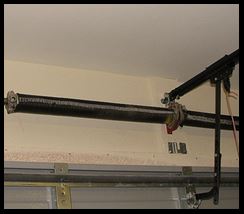 As you pull into the drive after a long day of work and press that garage door button, the last thing you want is to have your garage door fail to open. If the torsion spring is the culprit, you’re facing the need for professional repair. When garage door springs break, many homeowners are left scratching their heads, wondering where they went wrong.
These common problems can lead to damage to the torsion spring and, ultimately, failure of your garage door.
Rust on the Spring
If the spring develops rust, it’s going to lead to failure. When the spring has rust on it, it increases the friction on the coil. It also corrodes the coil and weakens the spring. The good news is you can prevent rust by spraying the coil with some lubricant every three or four months. This will lubricate the spring and prevent rust from building up on it.
Incorrect Springs
Each garage door has a specific spring that is engeneered to operator the door. If the spring being used with your door is not the specified spring length and wire size, it is likely to break and cause failure more quickly.
General Wear and Tear
The most common reason for failure in a garage door torsion spring is simple wear and tear. Torsion springs only last a set period of time. In general, they are rated for about ten thousand cycles, which is one up and down cycle. So, you go through at least two cycles every day, one when you leave in the morning, and one when you return. Most families go through many more than two cycles a day. You could easily use up your ten thousand cycles in just a few number of years.
If you know your family is going to be heavy on the garage door use, consider investing in extended lifespan torsion springs. These will last up to four times as long, and only cost about two times the cost, so the investment is worthwhile.
Poor Maintenance
The last problem you could have with your torsion spring is poor maintenance. The better you maintain your door, the longer the lifespan of your torsion spring will be. In addition to lubricating your door, make sure the door is balanced. To test balance, lift up the door to the halfway point, then release. If the springs are in balance, the door will be still. If you notice problems with balance, have the springs inspected to ensure that you don’t end up with a failure and a car stuck in your garage.
How can something smaller than a peanut do so much damage to a garage? That is the question many homeowners ask themselves after they realize that carpenter ants have hollowed out major pieces of wooding and insulation in their garage.
Structures like garages made from wood are ideal places for carpenter ant infestations because they can easily find wall voids and locate areas not sealed properly making it easy for them to get inside. Another attraction for carpenter ants in garages is the moisture levels. Garages typically have less air circulation and serve as storage areas for wet clothing like fishing and skiing gear. Leaky hoses also contribute to garage moisture levels and send welcoming messages to carpenter ants to make themselves at home.
Unlike termites, carpenter ants do not eat wood. However, they do significant damage by turning solid wood planks into sawdust called frass. When a homeowner finds piles of frass, it becomes apparent that carpenter ants have settled into the building. Bugs that are nesting in wood are just as bad as bugs that eat wood. If a carpenter’s nest is left untreated, the colonies grow larger and the need for additional space increases. Therefore the ants will continue to remove more and more wood.
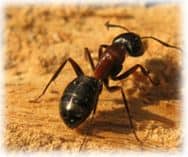
Not only do carpenter ants create giant holes in wood for their nests, but they also destroy wood to build tunnels that allow them to leave the nest in order to hunt for food.
Homeowners are smart to address a carpenter ant infestation head-on instead of ignoring the issue. Ants may not seem harmful and as long as they are not inside the house, however, the damage that carpenter ants can do to a wooden structure of a garage will eventually become an expensive problem.
Exterminators can easily come in and rid the garage of the infestation although there are cheaper alternatives. Boric acid can be purchased at the hardware store and is typically successful for destroying nests. Certain types of absorption powders can also be used to dry out a carpenter ant problem.
Homeowners who detect a termite problem in their garage typically have a more severe situation on their hands. Like carpenter ants, termite damage may take a few years to become noticeable. Unlike carpenter ants, the damage termites cause can be much worse. Termites eat wood and chew ferociously on wood grain.
 The National Pest Management Association estimates that termites cause at least $5 billion in property damage every year. The damage that the pests can cause to a garage includes the destruction of every component of the structure like support beams, posts, joists and studs. In most cases, the damage caused by termites can be repaired but subterranean termites (the most vicious type) have been known to cause thousands and thousands of dollars to individual homeowners.
Prevention is the best way to avoid dealing with a carpenter ant or termite infestation. While insects as small as these can find their way into your garage though various passages, having a garage door that does not properly seal is almost like a welcome mat for critters.
Garage Door Repair LLC offers a weather seal replacement product that not only keeps out inclement weather but also creates the perfect barrier for pests. With this vinyl rubber seal, termites and carpenter ants will have a much more difficult time entering any garage space.