
Changes that you make in your garage can save energy and improve your home’s environmental profile. Attached garages serve as conduits for heating and cooling losses in the home, and fumes can leak from the garage into living areas. Hazardous materials often collect in garages where they get spilled or forgotten, and can harm pets or pose health threats. Many household pests make homes in cluttered garages, and the best way of preventing infestations on your property is to control garage areas with preventive measures, regular cleaning and environmentally safe pest-control products.
Resist turning your garage into a storage facility, because most people accumulate junk that they will never use. Garages become physical hazards to health, and finding useful items becomes nearly impossible when things aren’t labeled and stored properly. Making your garage green is one of the easiest ways to lower energy and utility usage, reduce your carbon footprint and ensure safety in the home. Here are six tips for greener garages:
1. Change Light Bulbs or Fixtures
Incandescent lights consume more energy than most people think, but you can replace traditional bulbs with energy-efficient LED lighting or CFLs. If you use your garage as a workshop, consider installing task lighting to reduce energy costs while providing enough light to work safely.
2. Green the Doors in Your Garage
Most garage doors are relatively flimsy, so garage-door insulation becomes important for conserving energy and preventing outdoor air from leaking into garages and attached homes. Energy Star recommends using well-insulated garage doors with R-values between 13 and 17.5 percent. These types of doors come with built-in insulation while most garage doors use polystyrene materials that only have R-values in the 5 to 7 range. Other energy-saving ideas for your garage doors include the following green practices:
– Seal cracks and install weather-stripping to prevent hot and cool air from getting in or out of your garage.
– Choose doors made from recycled content to promote the responsible use of resources.
– Keep automatic garage doors in good working order to reduce the time that doors remain open, which prevents heat or cool air from escaping.
– Caulk around any doors from the garage to your home or yard, and check for leaks in windows and doors.
3. Install a Ventilation Fan
An exhaust or ventilation fan prevents stale garage interiors, circulates air more efficiently and helps to disperse dangerous fumes in garages caused by petroleum products, cleaners and chemicals.
4. Handle Hazardous Materials Safely
Many people store hazardous materials in their garages that they never use, which pose a risk of spills, off-gassing, and poisoning pets and children. Paints, chemical solvents and petroleum-based products are among the top hazards to healthy living, according to the DIY Network. Pesticides, auto fluids, paints and other chemicals can leak, pose fire hazards, generate toxic fumes, and cause burns and respiratory problems. Eco-friendly chemical storage practices in the garage include the following habits:
– Road salt and ice-melting compounds can cause pets to develop diarrhea and vomiting, so keep these products secure.
– Antifreeze smells sweet, and as little as one tablespoon can kill a cat, so wipe spills immediately.
– Consider transferring chemicals to a shed set aside for that purpose.
– Keep your garage clean and uncluttered by recycling materials, organizing tools and work areas, and making sure that chemicals don’t filter into the ground or air.
5. Building, Decorating and Insulating Materials
Use energy-efficient building materials for garage structures, doors and windows. Learn how to insulate your garage in an eco-friendly way:
– Insulate pipes, water heaters and ductwork to make garages weather-tight.
– Caulk between floors and garage walls.
– Insulate garage walls and ceilings with the right R-value insulation.
– Replace older windows with Energy Star-certified versions.
– Consider installing solar panels to make your garage self-heating.
– Use eco-friendly paint to avoid the volatile organic compounds found in regular paint.
– Hose down garage floors regularly to remove road salt, slip hazards, stains and auto fluids.
– Monitor garage walls and foundations for cracks, moisture, mold and discoloration.
6. Conserve Water for Washing Vehicles
You can collect rainwater from your garage roof to wash vehicles, clean the garage and even water your lawn. Simply channel water from the roof into a rain barrel, and use the water for any number of purposes around the house, such as washing pets and cleaning sidewalks and patios.
You can reduce energy usage, increase comfort, protect your family and prevent environmental damage by making your garage greener. Most people don’t think about the garage when looking for ways to reduce their carbon footprint, but garages provide many opportunities for practicing green habits.
Spring is finally here, and with it comes the desire to get things clean. Over the winter your garage has taken a beating. The Christmas lights may be piled up in the corner, while leaves and salt have cluttered up the floor. Now that the temperatures are warming, it’s time to start thinking about garage maintenance. Here are the steps to take to get your garage in great shape again and ready for summer cookouts and family fun.
Tackle the Clutter
The garage is a place where things tend to accumulate and stay, unused, for years. On a warm morning, remove everything from the garage. Analyze each item and determine if it has been used in the last three years. If not, toss it or slate it for a garage sale in the future. Keep in mind that toxic items, like old paint or batteries, must be disposed of safely.
Clean the Floor
Proper garage maintenance means you’ll spend some time on your floor, which is likely pretty grimy after winter. While you have the garage empty, sweep and wash the floor. The winter brought in a lot of gunk, and this is the time to get it out.
Check the Door
Before you start reloading the garage, give the door and the opening system a visual inspection. Look for any obvious signs of wear and tear, such as worn springs or rails. Open the garage a couple of times and watch the system work to ensure it is functioning as it should be.
Test the safety features by placing something on the floor, out of the line of the photo eye sensor, to ensure that the door reverses when blocked. Then, place something in the way of the photo eye sensor to ensure that the door will not engage.
Spring cleaning is an excellent time to lubricate the moving parts on the door. Apply a spray lubricant to tracks, rollers and hinges to keep it functioning well. This garage maintenance step should be performed a couple of times per year.
Reload the Garage
When you put your things back in the garage, do it in zones. Put similar items together in logical places. The broom, for example, should be by the kitchen door. Invest in peg boards, shelving and cabinets to keep tools organized. Any items in boxes or tubs that cannot be seen should have labels.
If over the course of your spring cleaning you notice that your garage door needs help, GarageDoorRepair.com is ready to be at your service. Contact us today to find a qualified garage door repair professional in your area who can provide the service you need.
In many instances, the garage door is the single largest moving part in a home. Garage doors require proper maintenance to ensure their continued functionality and convenience. While major repairs should be left to the experts, such a spring replacements, every homeowner should conduct regular basic maintenance and inspections to spot problems before they become serious. The following maintenance tasks are well within the reach of the average homeowner, and should be performed regularly.
1. Lubricating the Moving Parts
In efforts to extending the lifespan of your garage door system, be sure to keep the rollers, hinges, and other moving parts well lubricated. This will help limit the stress on the door and door opener. Bi-annually, we suggest apply a high-quality spray lubricant, such as white lithium grease spray, on the rollers and hinges. Be sure to clean off any excess. A penetrating solution may be required for any rollers or hinges that seem to be seized up. Once freed, apply the lithium grease.
In addition to the rollers and hinges, its important to lubricate the spring system. This includes the pulleys on extension-spring setups and the bearings on torsion-spring setups. Spay oil across the torsion spring to keep it running smoothly. If your garage door opener utilizes a screw or chain, Lubricate these as well. Do not use lubricant on a belt-drive opener.
2. Inspect the Tracks
Inspect the tracks on both sides of the door to make sure they are free of debris and rust. Dirt and dust can build up on the track and lead to premature failure of your rollers, springs or bearings. A damp cloth will take care of most of the cleaning needs here. For sticky residue, use a solvent metal cleaner. If you live in a cold climate, snow and ice in the track may also be a concern. You can also use a level to make sure the tracks are perfectly vertical along their vertical sections. While minor adjustments can be a DIY project, any major track adjustments should be trusted to the professionals.
3. Repair or Replace Weatherstripping
Looking to save energy? Inspect your weatherstripping. The rubber weatherstripping around the door opening and on the bottom of the door helps keep out the cold as well as water, dust, and dirt. There are several ways the seal at the bottom of the door can be attached, dependent on the garage door model. If this is torn, damaged, or missing, look to have it replaced. The weatherseal around the door opening comes in many different colors to match your door and home style.
4. Inspect the Garage Door Opener Safety Features
All residential garage door openers manufactured after 1993 should have an auto-reverse feature that is designed to stop and reverse the direction of the door if it detects an object in the path of the door or it hits an object while the door is closing. This safety feature is activated by a force setting or by a pair of safety eyes on each side of the door. These eyes should be located no higher than 6″ from the floor.
Test the force setting by placing a 2×4 board flat on the ground in the path of the door. When the door comes down and touches the 2×4, it should reverse direction and return to the open position. Test the safety eyes by starting to close the door, then passing your leg in the door’s path. The door should reverse direction and return to the open position. If your garage door opener does not have these features, we suggest replacing it.
5. Test the Door Balance
To ensure the safety and well being of your garage door and garage door opener, regularly inspect the doors balance. If your garage door is not properly balanced, the garage door opener will have to work harder, shortening the lifespan. Test the balance by pulling the release handle on the garage door opener, placing it in manual mode. Then manually place the door halfway open. The door should remain in place. If the door begins to drop or raise, the door is improperly balanced or the springs are beginning to wear out. Trust all spring repairs to a professional.
6. Tighten all Hardware
The vibration and motion caused by the garage door consistently moving up and down can result in loose hardware over an extended period of time. Inspect all of the track brackets and door fasteners to ensure everything is tight. Use a socket wrench to tighten up any loose bolts you find.
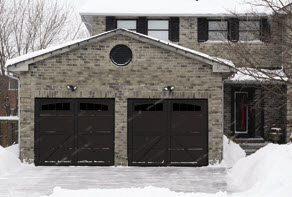 When temperatures start dropping, your garage becomes more than a place to simply store your vehicle; it becomes your first respite from the chill. When a garage door is malfunctioning due to the cold, it is going to keep you from safely pulling your vehicle inside. Unfortunately, cold weather garage door problems are very common. By knowing what problems you may be encountering and how to approach them, you can be back by the fireplace in no time.
Common Garage Door Problems:
Excess Grease
Excess grease on your garage door tracks is a problem that can occur any time of the year, but it can really start causing issues in the winter. Too much lubrication can throw your rollers out of alignment, making it difficult for the door to open and close smoothly. Finding the balance between enough lubrication and too much is one of the most important parts of garage door maintenance.
Contracting Metal
Certain materials contract when temperatures dip below a certain threshold. Metal is one of these materials, meaning that it’s not uncommon for a garage door’s springs, screws and other metallic components to shrink and seize up in the winter months. You can’t keep this phenomenon from happening, but you can mitigate its effects by adding more lubricant. Apply plenty of garage door oil to the springs, the torsion ball bearings and the screw drive. Keep oil away from the tracks to avoid the first problem mentioned.
Thickening Grease
Most lubricating greases are designed to operate under extremely hot conditions. This is what makes them so effective in the high-power conditions found in engines. Unfortunately, lubricants don’t necessarily work as well when subjected to the cold. Low temperatures can harden grease, thickening it to the point where it makes a very poor lubricant. Make sure this hasn’t happened in your garage door. Remove old, hardened grease with an applicable solvent, and replace it with a silicone-based oil for better winter results.
The best approach to preventing garage door problems in the winter is to stay on top of regular maintenance. Regular lubrication, consistent cleaning and careful usage should keep your garage door functioning until spring arrives.
Cold winter temperatures and snowy weather are tough on your home’s exterior, causing damage to the roof, windows, doors and seals if you’re not partaking in proper preventative maintenance. However, many homeowners don’t realize that these extreme conditions can also wreak havoc on your garage door. There are a few issues that are common in areas that experience harsh winters, but you can avoid expensive garage door repair if you keep your eyes open for the warning signs.
Seals and Weather Stripping
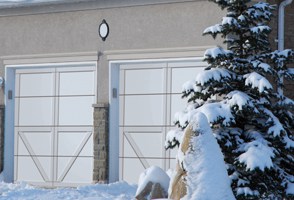
As you drive into your garage, your car tires bring snow and water in with them. In addition, snow piles up outside the garage door during winter storms. In both cases, the moisture adheres to the seal or weather stripping at the bottom of the garage door. Then, when you open the door, the seal may rip and detach from the bottom. To avoid needing weather seal replacement services, sweep the snow away from the area as often as possible.
Broken Springs
Frigid temperatures cause metal to become hard and brittle, including the springs. If you have difficulty opening your garage door and it feels heavy, you may have a broken spring. Only a qualified garage door repair expert should replace a broken spring.
Garage Door Drive Track
The drive tracks are the two long strips on each side of your garage door that guide it into place as it raises and lowers. When they become obstructed by debris, the door will jam. Keep them free of obstructions by brushing the drive track frequently, especially during winter when sand and salt are used to remove snow and ice on roads.
Other problems can arise when winter weather strikes, but being aware of the most common issues can help you catch many of these concerns before they become serious. Preventative maintenance and regular inspections should be performed yearly at a minimum. Recognizing these issues will not only save you money, but also can prolong the life of your garage door.
Homeowners have a giant task of keeping their homes looking great and free from mechanical breakdowns. Weather plays a big part in how things operate and look around your property. Often, during the winter months is when things will breakdown or stop working altogether.
If you have a garage and the door has stopped working, then you will need to get it repaired right away. To help you understand how cold weather affects your garage door, here are some common problems that people face, and how they have solved the problem.
Common Problems of Garage Doors during the Winter
- One problem that the cold weather can cause is for the garage door to stick to the ground. Ice and snow can build up around the rubber seal making it rip as the door goes up. Solve this problem by simply keeping the ice and snow away from the door as much as possible.
- Keep your garage door lubricated. This helps to minimize the friction that is exerted on the moving parts and will allow the door to open better even in the cold winter months.
- If the motor seems to struggle to lift the door, you might be dealing with a broken spring. Springs play an important role, balancing the door so the operator can lift it easilly. A repair of this type should only be performed by a professional repair person.
Your garage gives you the space to enter and leave your home in a weather free environment. By keeping your garage door working great you can use that space throughout the year. You will also be able to avoid costly repairs by following these simple tips to keeping your garage door working properly.